

March 28, 2026

BY New Straits Times (NST)
KUALA LUMPUR: A potential 40% surge in construction costs, driven by prolonged conflict in the Middle East, is expected to push property prices higher as developers struggle to cope with escalating material expenses.
Senior lecturer Dr Muhammad Azwan Sulaiman from the Faculty of Built Environment at Universiti Teknologi Mara (UiTM), Shah Alam, said that when input costs rise, developers are typically faced with two options: absorb the additional costs, which would compress profit margins, or pass part of the increase on to buyers through higher selling prices.
Building materials such as cement, steel, and sand constitute a substantial portion of a project’s overall cost structure.
He noted that, in reality, most developers are unable to fully absorb rising costs. As a result, these increases are likely to be reflected, at least partially, in higher property prices.
“However, the impact is not uniform,” he explained.
“Affordable housing projects may be subject to stricter government regulations and price controls, whereas commercial and high-end developments are more likely to experience noticeable price increases,” he told Harian Metro.
Azwan added that rising material costs also place considerable pressure on developers’ overall operating expenses, including logistics, labour, and financing.
He further highlighted that ongoing instability in global supply chains — marked by shipping disruptions, geopolitical tensions, and fluctuations in raw material prices — has intensified uncertainty within the industry.
“This makes it increasingly difficult for developers to provide accurate cost estimates during the early stages of a project,” he said.
Such conditions may lead to cost overruns, construction delays, and negative impacts on developers’ cash flow.
“In certain cases, developers may choose to postpone or restructure the launch of housing projects,” he added.
“This situation also affects investor and buyer confidence, as both pricing and project completion timelines become less predictable.”
Azwan stressed that a more integrated approach is required to manage rising costs while ensuring housing remains affordable.
He suggested that developers could optimise project designs, adopt technologies such as the Industrialised Building System (IBS), and strengthen their material procurement strategies.
“The government also has a role to play by providing targeted incentives, implementing price controls on critical materials when necessary, and expediting project approval processes.
“In the long term, strengthening the local supply chain is essential to maintaining stable and affordable house prices,” he said.
It has been reported that the national construction industry may face building material cost increases ranging from 5% to 15% at minimum.
However, this figure could escalate to between 30% and 40% if conflicts in the Middle East persist.
Meanwhile, Mohd Hawarie Tan Muzi, chairman of the Malaysian Housing Contractors Association (Perak) and a central committee member, said that these projections largely depend on the duration of the conflict, the extent of global supply chain disruptions, and rising fuel costs, all of which continue to exert pressure on construction operating expenses.
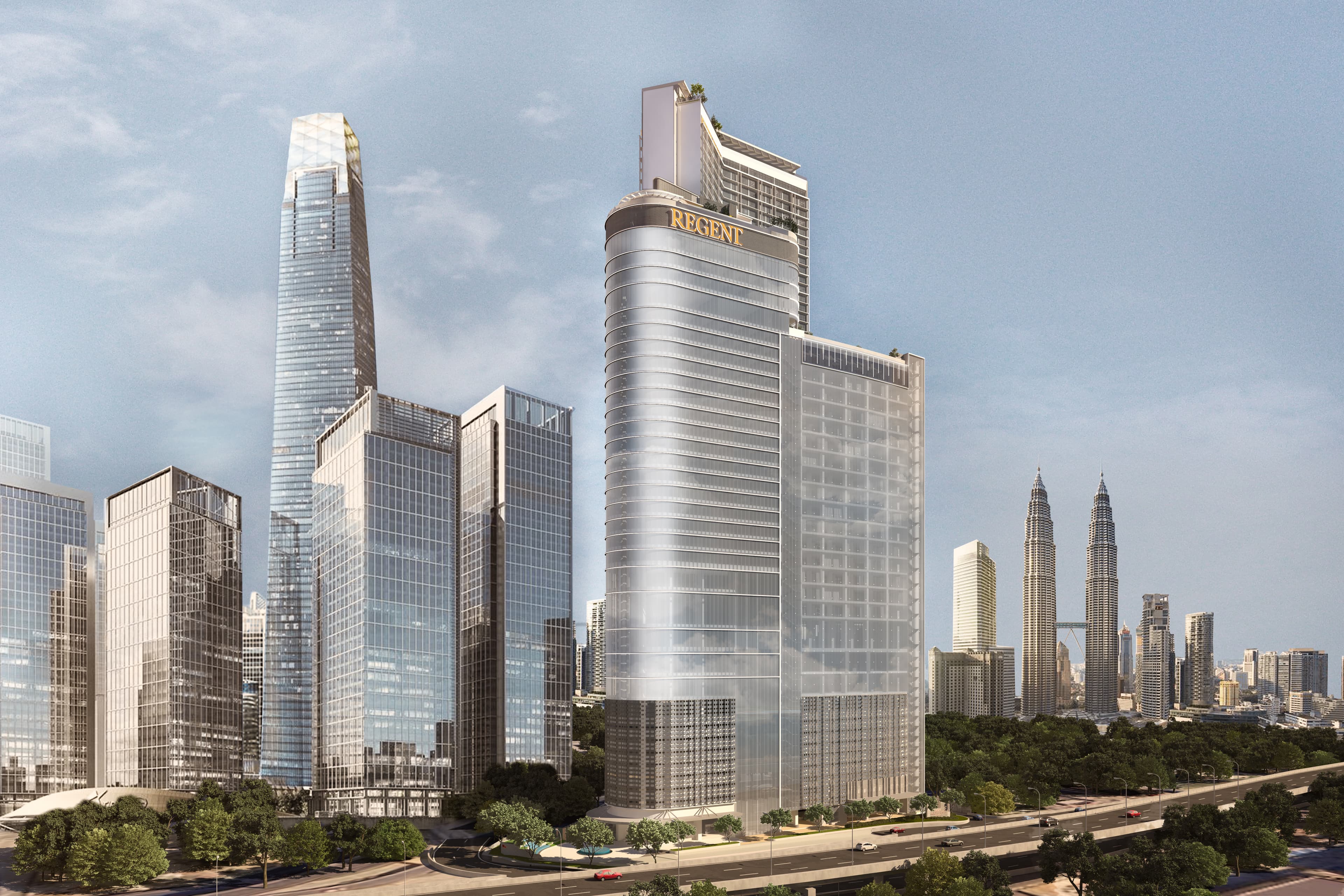
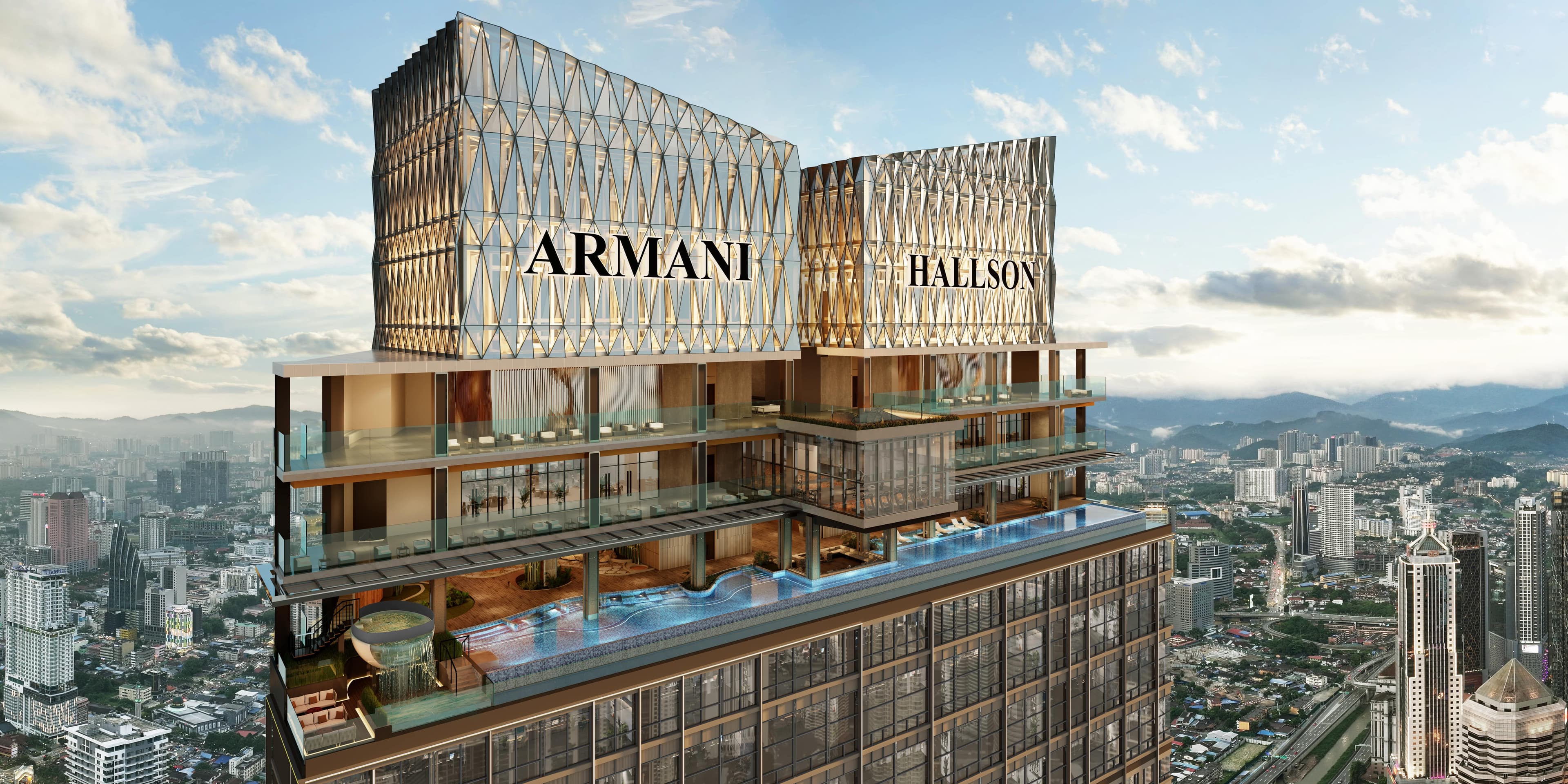
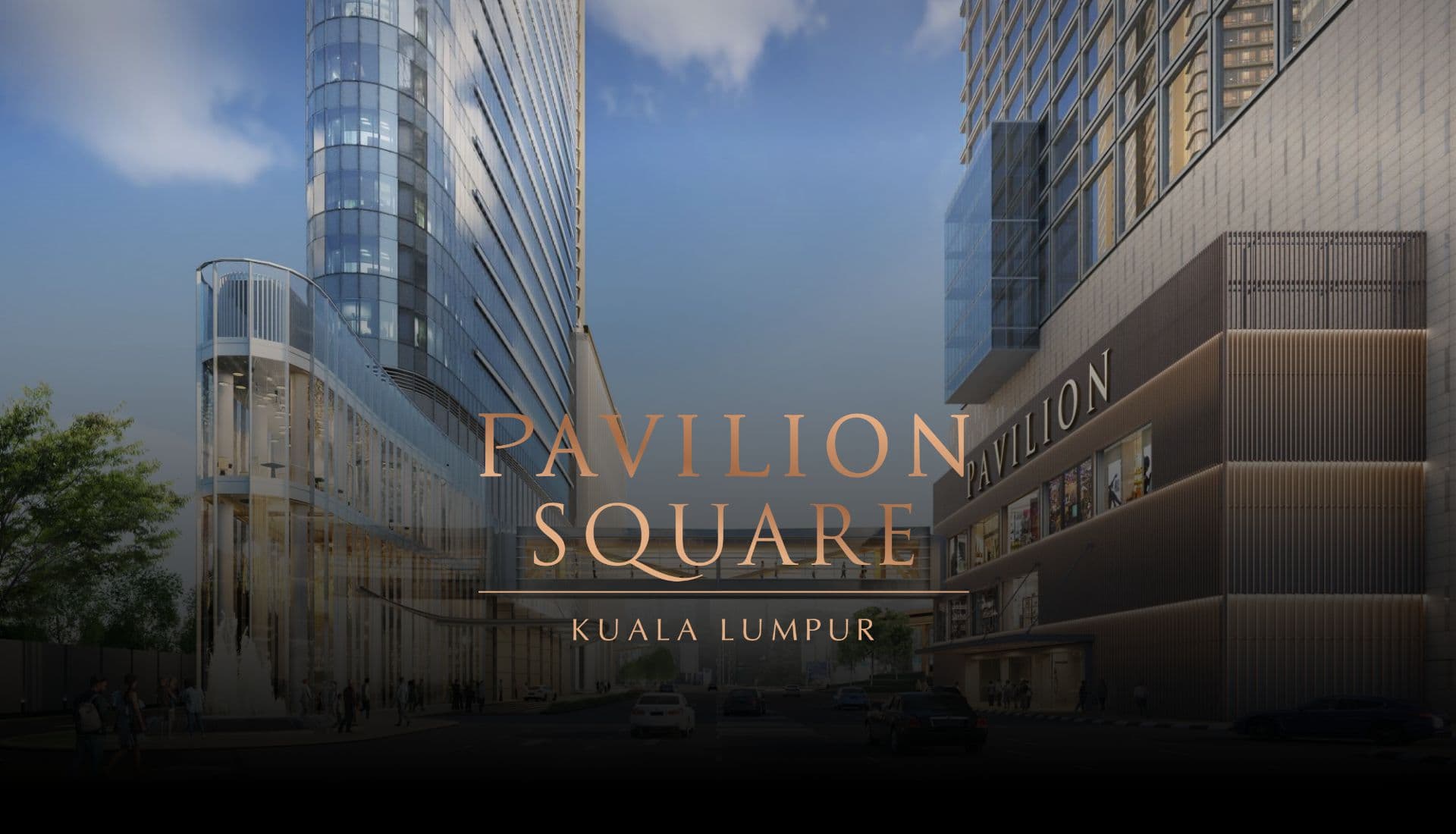
Invest in the Pavilion Square condo: a luxury KL address linked to a high-yield retail ecosystem. Discover seamless transit and strong rental potential.